Learn how professional page layout design strengthens branding, enhances marketing materials, and creates consistent visual identity across all channels.
Dec 28, 2025
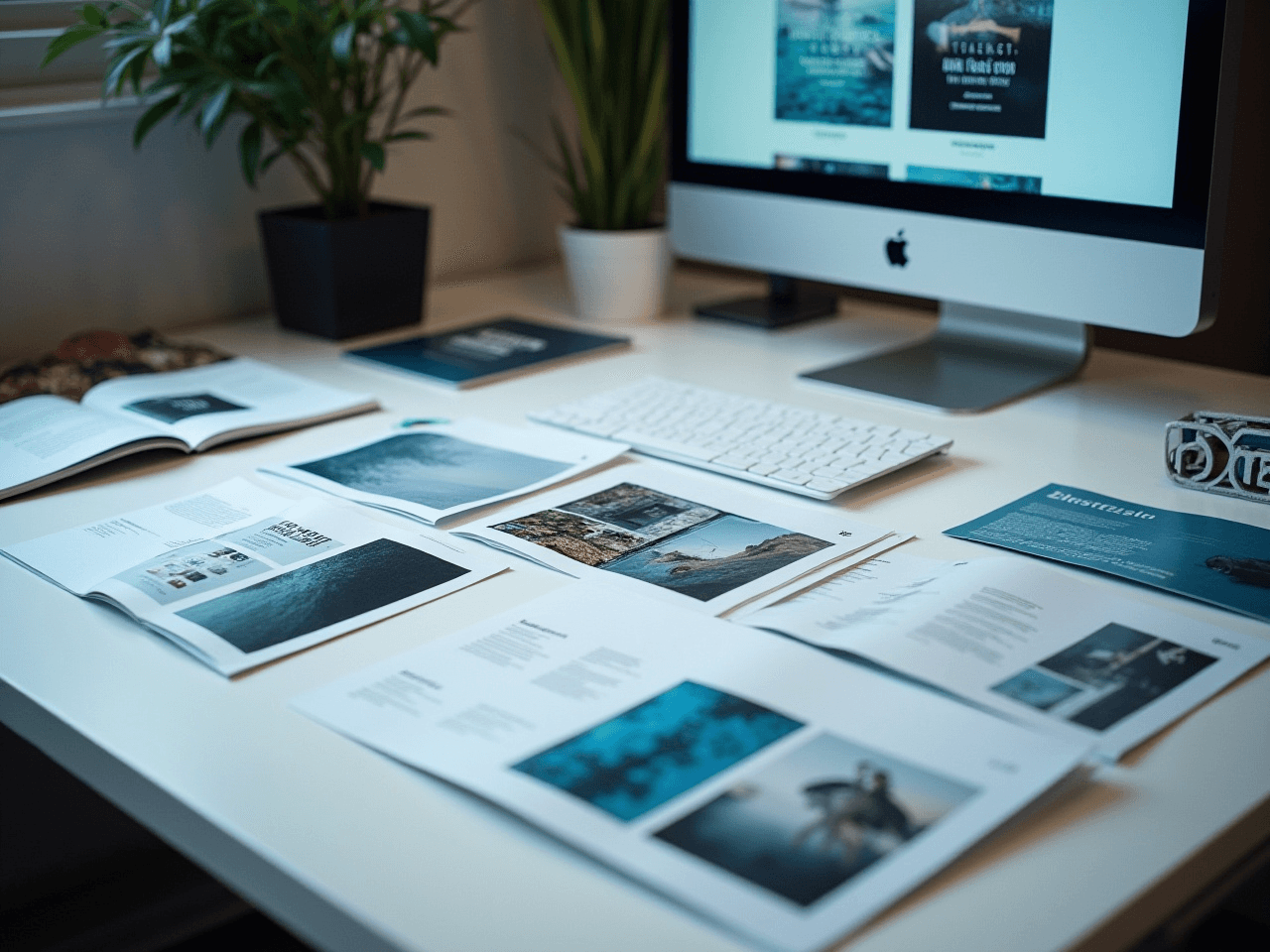
First impressions happen in milliseconds. Before a single word is read, your audience has already formed an opinion about your brand based purely on visual presentation. This is why professional page layout design plays such a critical role in branding and marketing success.
Every brochure, advertisement, product catalog, and digital asset represents your organization. When these materials lack visual cohesion or professional polish, they communicate carelessness regardless of content quality. Conversely, expertly designed layouts signal credibility, attention to detail, and brand confidence.
The Psychology Behind Visual Branding
Human brains process visual information 60,000 times faster than text. This neurological reality explains why layout design carries such weight in marketing effectiveness. According to research from Stanford University's Web Credibility Project, 75% of consumers judge a company's credibility based on visual design alone.
Brand recognition depends heavily on consistent visual elements applied across all touchpoints. When layouts maintain uniform spacing, typography, color application, and compositional balance, audiences develop familiarity that builds trust over time. This consistency transforms individual marketing pieces into a cohesive brand experience.
Professional layout design leverages established principles of visual perception:
Proximity: Related elements grouped together communicate connection
Alignment: Organized placement creates order and professionalism
Repetition: Consistent patterns reinforce brand recognition
Contrast: Strategic differentiation guides attention and hierarchy
These principles, when applied systematically through Design & Layout Production Services, ensure that every marketing material reinforces rather than dilutes brand identity.
How Layout Design Strengthens Brand Identity
Brand identity extends far beyond logos and color palettes. It encompasses the entire visual language through which organizations communicate. Professional page layout establishes and maintains this language across diverse material types.
Typography as Brand Voice
Font selection and application communicate personality before words convey meaning. A luxury brand using casual typography creates cognitive dissonance that undermines positioning. Professional layout design ensures:
Consistent typeface application across all materials
Appropriate font pairing that reflects brand personality
Proper hierarchy that guides reading flow
Adequate spacing that enhances legibility
Research from the MIT Media Lab demonstrates that typography significantly influences how audiences perceive brand messaging, affecting both emotional response and information retention.
White Space as Strategic Asset
Amateur designs often fill every available space with content. Professional page layout recognizes white space as an active design element that:
Creates visual breathing room that reduces cognitive load
Directs attention toward priority content
Communicates sophistication and confidence
Improves overall readability and retention
Luxury brands consistently employ generous white space because empty space signals exclusivity. Budget brands crowd layouts because density suggests value. Neither approach is inherently correct, but both must align with brand positioning to succeed.
Grid Systems and Visual Consistency
Professional layout design employs grid systems that create underlying structure across all marketing materials. These invisible frameworks ensure:
Consistent element placement across different formats
Proportional relationships that feel harmonious
Scalable designs that work from business cards to billboards
Efficient production through systematized approaches
Organizations requiring scalable brand systems benefit from Template & Stylesheet Design Services that establish these foundational structures.
Marketing Material Categories and Layout Considerations
Different marketing formats present unique layout challenges that professional design addresses:
Print Collateral
Brochures, catalogs, and printed materials require precise attention to:
Bleed areas and safe zones for professional printing
Paper stock considerations that affect color reproduction
Fold positions that impact content placement
Binding methods that influence spread layouts
Print materials often serve as tangible brand ambassadors. A poorly laid out brochure handed to a prospect communicates more than its content ever could.
Digital Marketing Assets
Websites, social media graphics, and digital advertisements demand layouts optimized for:
Multiple screen sizes and responsive behavior
Platform-specific dimension requirements
Loading performance considerations
Interactive element placement
Digital layouts must maintain brand consistency while adapting to technical constraints that don't exist in print. This requires understanding both design principles and platform requirements.
Packaging and Point-of-Sale
Product packaging represents perhaps the most consequential layout application. Research from the Paper and Packaging Board indicates that 72% of consumers say packaging design influences purchasing decisions.
Effective packaging layout balances:
Regulatory information requirements with brand messaging
Shelf visibility with detailed product information
Brand consistency with product differentiation
Multiple language versions with visual coherence
Organizations in consumer products rely on Localization & Translation Integration Services to maintain packaging effectiveness across international markets.
The Business Impact of Professional Layout Design
Investing in professional page layout delivers measurable business outcomes:
Increased Conversion Rates
Well-designed marketing materials guide audiences toward desired actions. Clear visual hierarchy, strategic call-to-action placement, and reduced cognitive friction combine to improve conversion metrics across channels.
Enhanced Brand Recall
Consistent visual presentation across touchpoints strengthens memory formation. When audiences encounter your brand repeatedly through cohesive materials, recognition and recall improve significantly.
Competitive Differentiation
In crowded markets, professional presentation distinguishes serious contenders from amateur competitors. Layout quality often serves as a proxy for overall organizational competence in prospect evaluation.
Reduced Production Costs
Systematic layout approaches established through professional design reduce ongoing production expenses. Templates, style guides, and structured workflows eliminate redundant design decisions and minimize revision cycles.
Industry Applications for Marketing Layout Design
Professional layout requirements vary across sectors:
Business and Marketing Organizations
Business & Marketing teams require layouts that support diverse campaign types while maintaining brand consistency. From trade show materials to sales presentations, every touchpoint must reinforce positioning.
Financial Services Marketing
Financial Services organizations face unique challenges balancing regulatory compliance with marketing appeal. Professional layout ensures required disclosures integrate seamlessly without compromising visual impact.
Healthcare Communications
Healthcare & Pharmaceuticals marketing must convey complex information clearly while meeting strict regulatory requirements. Layout design ensures patient materials communicate effectively without compromising compliance.
Educational Marketing
Education & E-Learning institutions use marketing materials to attract students while reflecting academic credibility. Professional layouts balance approachability with institutional authority.
Global Branding and Multilingual Considerations
International brands face compounded layout challenges when marketing across linguistic boundaries. Content that works beautifully in English may fail entirely when adapted for other languages.
Professional multilingual layout design addresses:
Text expansion that varies dramatically between languages
Script direction changes for right-to-left markets
Cultural color associations that differ by region
Image appropriateness across diverse audiences
Typography requirements for non-Latin scripts
These considerations require expertise in Multilingual & Bidirectional Typesetting Services to maintain brand integrity across all market versions.
Quality Verification in Marketing Design
Even expertly designed layouts require systematic verification before deployment. Quality Assurance Services ensure marketing materials meet brand standards through:
Color accuracy verification across output formats
Typography consistency checks
Image resolution and placement validation
Cross-platform rendering confirmation
Brand guideline compliance review
Quality failures in marketing materials damage brand perception disproportionately to their cost. A misprinted brochure or misaligned digital advertisement undermines campaigns regardless of strategic soundness.
Building Effective Marketing Design Workflows
Successful branding and marketing materials result from structured production processes that maintain quality while enabling efficiency.
Effective workflows incorporate:
Clear brand guidelines that inform all design decisions
Approved templates that accelerate production
Defined review processes that catch issues early
Asset management systems that ensure version control
Feedback loops that drive continuous improvement
Understanding How Do Professional DTP Services Work from Start to Finish? provides insight into establishing these production frameworks.
Partner with Experts for Marketing Materials That Build Your Brand
Your marketing materials speak for your organization in every market you serve. At DTP Campus, we deliver professional page layout design that transforms your content into powerful brand assets.
From initial concept through final production, our team ensures every piece maintains the visual consistency and professional quality your brand deserves.
Ready to elevate your marketing materials? Connect with DTP Campus and discover how expert layout design strengthens branding across every channel and market.
